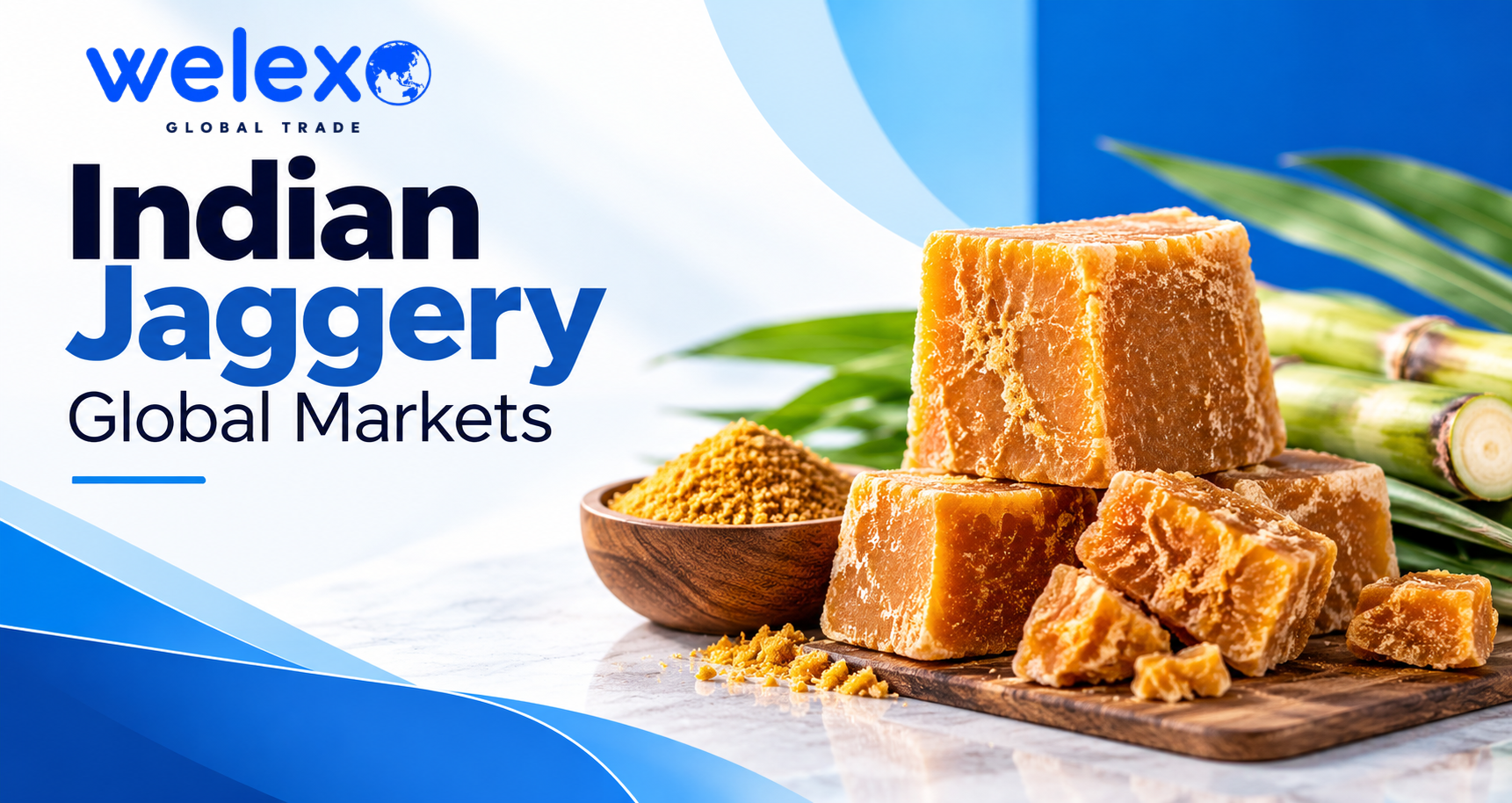
From Traditional Sweetener to International Trade Opportunity
Jaggery has long been used in Indian kitchens, but its commercial potential extends beyond domestic consumption. Food distributors, ethnic grocery wholesalers, sweet manufacturers and ingredient buyers may all offer routes into overseas markets.
For exporters, the challenge is identifying which customers need their particular product, whether solid jaggery, powdered jaggery or another form, and what specifications those customers require.
Where Is India's Jaggery Trade Heading?
India's broader jaggery-and-confectionery exports were valued at approximately US$406.8 million in FY 2024–25, according to the Press Information Bureau.
Indonesia, the United States, the UAE, Nigeria and Nepal were among the leading destinations for this product group. These markets provide starting points for research, but exporters should verify demand for jaggery itself rather than assume all confectionery trade represents jaggery purchases.
Which Buyers Should Suppliers Target?
The right prospect depends on the product and intended use. Exporters can investigate:
-
Food importers and distributors supplying Indian and South Asian grocery products.
-
Sweet and snack manufacturers that use jaggery as an ingredient.
-
Retail and wholesale businesses selling traditional or regional food products.
-
Food ingredient suppliers serving commercial kitchens and food producers.
Buyers may differ in their preferred form, sweetness profile, packaging, order quantity and documentation requirements. Suppliers should establish these details before preparing a quotation.
What Should Exporters Research Before Entering a Market?
Start by comparing import demand, existing suppliers and the prices of similar products. Check food safety rules, labelling, shelf life, packaging and any applicable certification or import requirements.
Trade figures also need careful interpretation. Jaggery can appear within broader sugar-product or confectionery classifications, depending on the product and the reporting system. Confirm the applicable HS code before using statistics to estimate market size.
The APEDA Jaggery and Confectionery page provides sector information and export figures. Welexo can also help businesses explore buyer and seller information, compare competitors and research international trade trends to prioritise relevant prospects.
Frequently Asked Questions
1. Which countries can Indian jaggery exporters research?
Indonesia, the USA, the UAE, Nigeria and Nepal appeared among the leading destinations for India's wider jaggery-and-confectionery exports in FY 2024–25. Validate jaggery-specific demand in each market.
2. Who buys jaggery internationally?
Potential customers include food importers, ethnic grocery distributors, sweet manufacturers, wholesalers and food ingredient suppliers.
3. What should exporters check before shipping jaggery?
Confirm product specifications, packaging, shelf life, labelling, food safety requirements, documentation and the destination country's import rules.
4. Where can businesses find jaggery trade information?
APEDA and the Government of India's export updates are useful starting points. Check the product classification carefully because broader categories may include confectionery alongside jaggery.
A suitable export market is one where buyer needs, product quality and commercial terms align. Visit Welexo to research global markets and explore potential business connections.